Reinventing the cello with 3D printing
For Forte3D, making what matters required hundreds of iterations, sub-millimeter adjustments, and an uncompromising pursuit of great sound.

3 min read
A professional musician with no CAD experience designed the world’s first 3D-printed carbon fiber cello from scratch using Autodesk Fusion.
After hundreds of prototype iterations, Forte3D earned the acclaim of Grammy-winning cellists and a $250,000 Shark Tank investment.
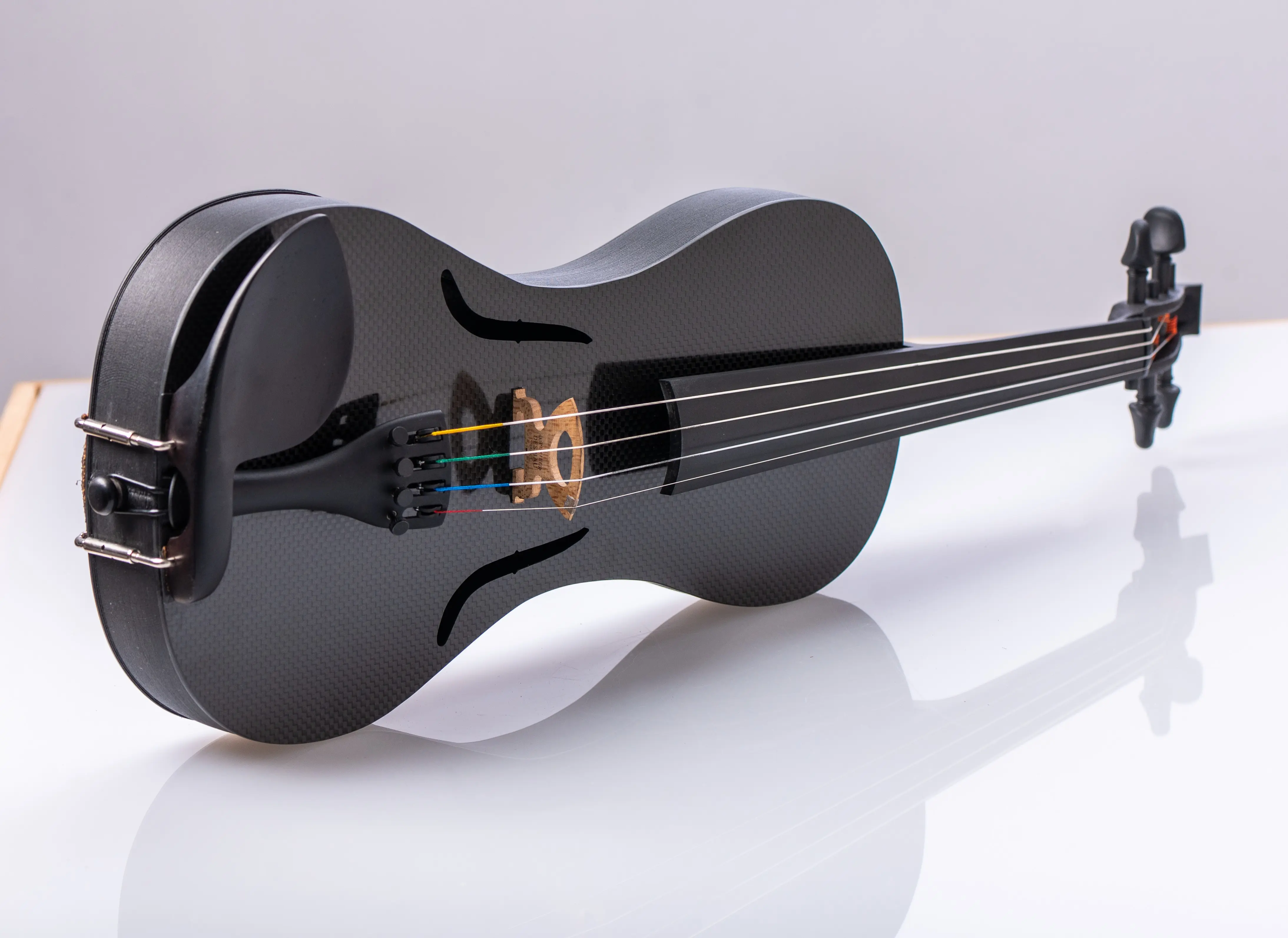
Refined down to a tenth of a millimeter, Forte 3D’s carbon-fiber instruments are more durable, travel-ready, and affordable than traditional cellos—without sacrificing the rich sound professionals demand.
Alfred Goodrich was a professional touring musician and school orchestra conductor until the COVID-19 pandemic brought both careers to a sudden halt. With time on his hands, an idea had lingered in the back of his mind began to take over his life: a 3D-printed cello.
Traditional cellos are expensive, sensitive to environmental conditions, and fragile, making them difficult to transport. “Often cellists must buy an additional airplane seat because you can’t check it without risk of major damage,” Goodrich says.
Goodrich had never run a 3D printer or used CAD software. So he learned. He and one of his former orchestra students, Elijah Lee, built a large custom 3D printer. Goodrich 3D-scanned his father’s cello and began tracing it out in Autodesk Fusion, ultimately designing a new instrument from scratch.
Goodrich quickly embraced rapid prototyping, testing changes to everything from the angle of the neck to the dimensions of the body, ribs, and F-holes. In time, he and Lee co-founded Forte3D and developed a production method combining their own proprietary 3D-printing filament with thin sheets of CNC-machined carbon fiber for the front and back plates.
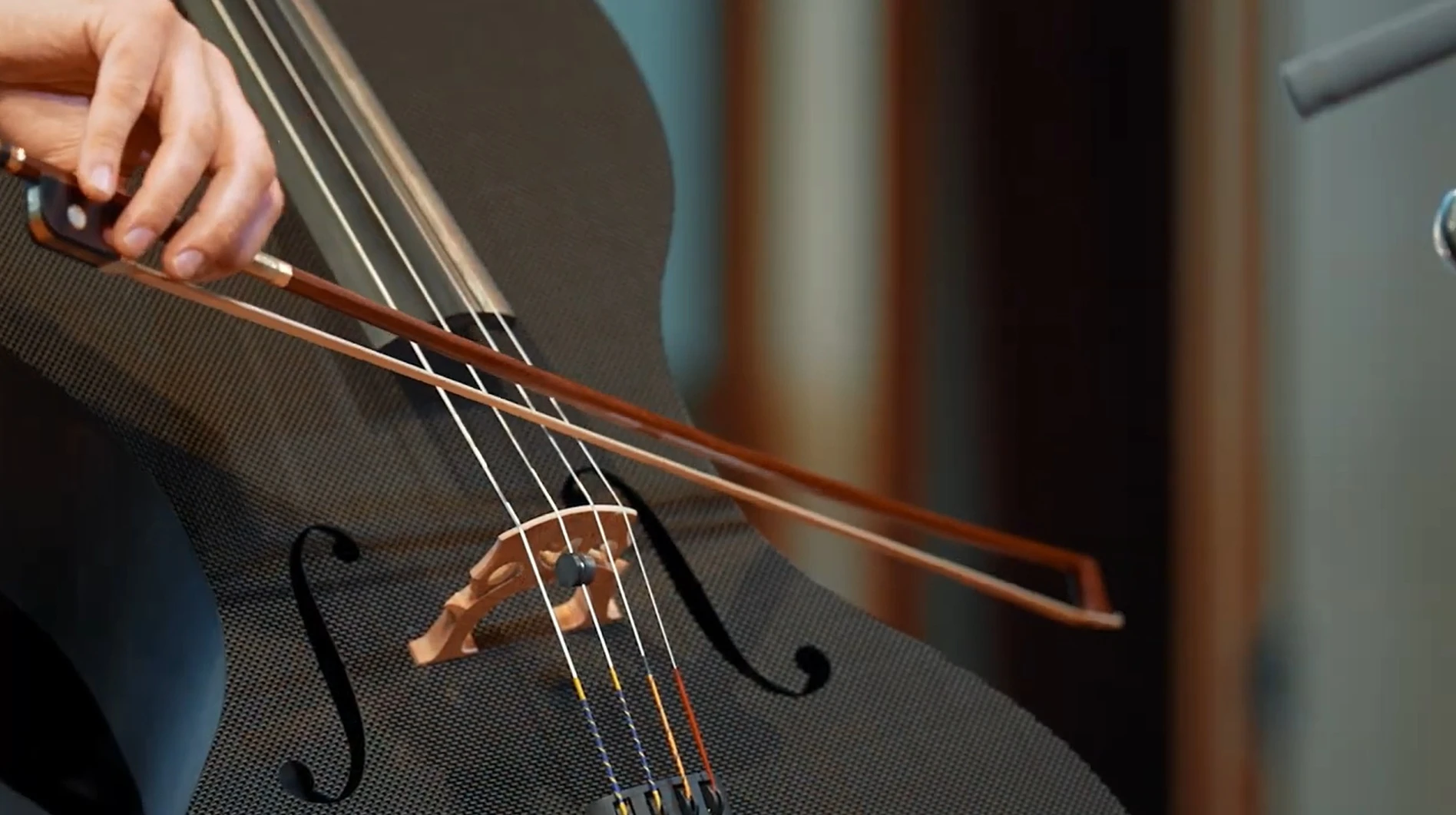
Hundreds of versions followed. The goal wasn't simply to reproduce a traditional cello, but to improve on it: make it more durable, easier to transport, and more affordable. The toughest challenge was perfecting their sound. Every fraction of a millimeter mattered—not because precision was the goal in itself, but because musicians would hear the difference. “The very first instruments sounded like baroque cellos,” Goodrich says. “Then as I iterated with Fusion, I got them to sound like modern instruments.”
Alfred Goodrich’s principle for designing and making
“The art is knowing where precision matters. In an instrument, a tenth of a millimeter can change the way it responds, the way it feels, and ultimately, the way it sounds.”
—Alfred Goodrich, Co-founder, Forte3D
Share a principle for designing and making what matters most to you.
Eventually, Forte3D achieved the deep, warm sound it had been chasing—and an instrument ready for the concert hall. A spot on Shark Tank put that work in the spotlight: cellists performed the show’s theme on Forte3D instruments for the panel, and the founders left with a $250,000 investment.
Since then, Forte3D has expanded its portfolio to include carbon fiber 3D-printed violins, with violas on the way. Its instruments cost far less than traditional stringed instruments while remaining lighter, more durable, travel-ready, and faster to produce—all without compromising the rich, professional-quality sound musicians expect.
Even Yo-Yo Ma was impressed after trying the Forte3D cello. “We need more innovations like this,” he says, “creative solutions that expand access to music-making and open new paths to imagination and expression.”
For Goodrich, reinventing the cello was never simply about making something new. It was about making a great instrument more durable, more portable, and more accessible—so more people can make music.