HVAC engineering: Optimizing building system design
HVAC engineering: Optimizing building system design



What is HVAC engineering?
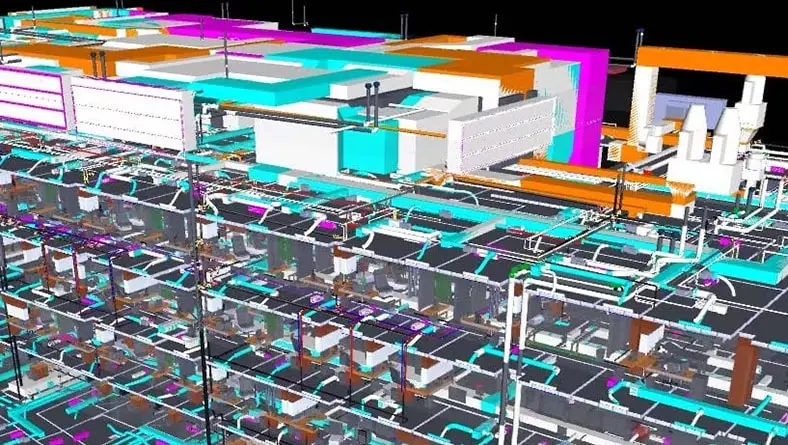
HVAC engineering is a branch of mechanical engineering that focuses on the design, installation, maintenance, and optimization of heating, ventilation, and air conditioning (HVAC) systems in buildings. The primary goal is to create comfortable, safe, and energy-efficient indoor environments. HVAC engineers work on projects to select heating and cooling equipment, ductwork design, ventilation systems, and control systems. They consider factors such as energy efficiency, environmental impact, and compliance with building codes while ensuring the comfort and well-being of occupants.
Can you use AutoCAD for HVAC engineering?
Autodesk AutoCAD, a widely used Computer-Aided Design (CAD) software, is extensively employed in HVAC engineering for tasks such as system layout, schematic diagrams, ductwork design, equipment selection, load calculations, and 3D modeling. HVAC professionals use AutoCAD to create detailed drawings that help visualize, plan, and implement heating, ventilation, and air conditioning systems. The software supports collaboration among team members, precise documentation, and efficient creation of construction plans and specifications. AutoCAD’s versatility and compatibility make it a valuable tool for HVAC engineers in designing, drafting, and documenting components of HVAC systems.
What does an HVAC mechanical engineer do?
An HVAC mechanical engineer is responsible for the comprehensive design, installation, and maintenance of HVAC systems in buildings. Their tasks encompass system design, energy efficiency optimization, accurate load calculations, compliance with building codes, equipment selection, ductwork layout, project management, troubleshooting, and maintenance planning. The engineer plays a crucial role in ensuring the overall efficiency, functionality, and compliance of HVAC systems. Collaboration with stakeholders, cost estimation, and focusing on sustainable design principles are integral aspects of their responsibilities. From project inception to ongoing maintenance, HVAC mechanical engineers contribute expertise in creating comfortable, energy-efficient indoor environments.