Simplify complex change processes with engineering change management
Simplify complex change processes with engineering change management

What is engineering change management?
What is engineering change management?
Better documentation
Better documentation
Increased efficiency
Increased efficiency
Enhanced collaboration
Enhanced collaboration
Better risk management
Better risk management
Lower costs
Lower costs
Improved decision-making
Improved decision-making
Consistent quality
Consistent quality
Scalability
Scalability

Centralized change tracking
Centralized change tracking
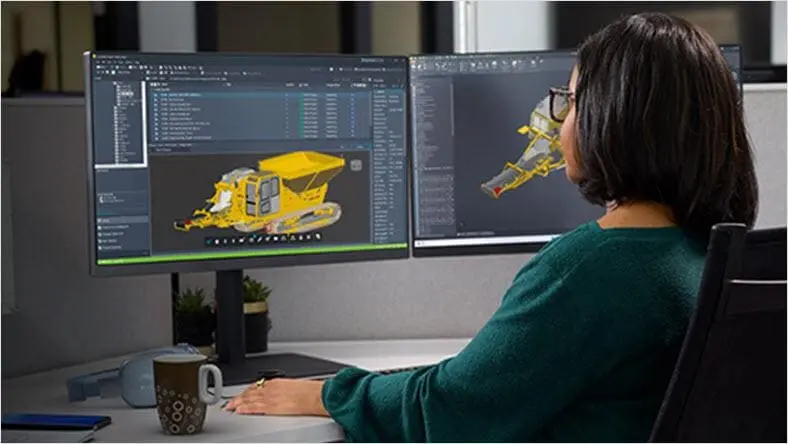
Workflow automation
Workflow automation

Audit trails
Audit trails

Impact analysis
Impact analysis
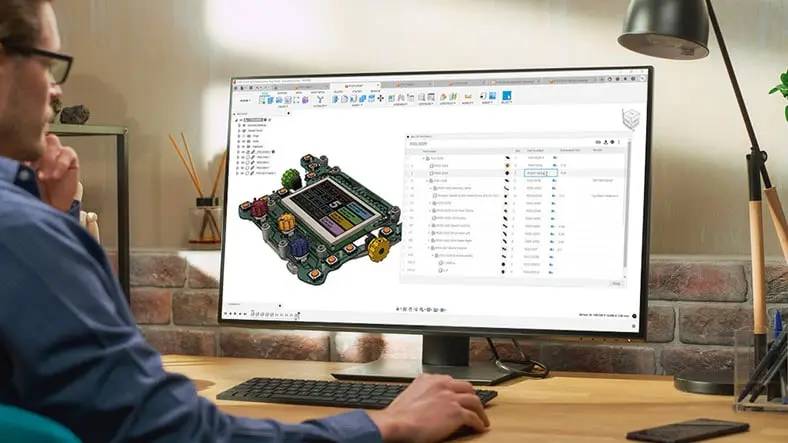


The engineering change management process
The engineering change management process
Design and engineering
Design and engineering
Manufacturing
Manufacturing
Quality assurance
Quality assurance
Procurement
Procurement
Project management
Project management
Sales and marketing
Sales and marketing
Customer service
Customer service
Finance
Finance

Aerospace and defense
Aerospace and defense

Automotive
Automotive

Construction
Construction
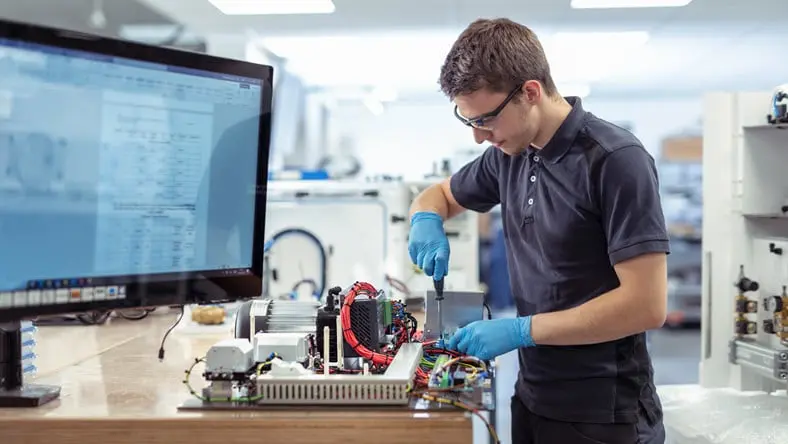
Electronics
Electronics

Consumer products
Consumer products
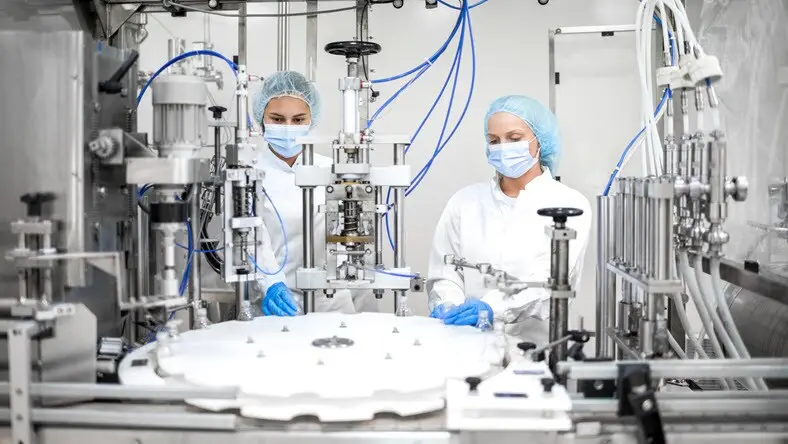
Healthcare and medical devices
Healthcare and medical devices
Future trends in engineering change management
Future trends in engineering change management
What is engineering change management important?
Engineering change management is important for maintaining product quality and reducing errors by systematically tracking and validating changes. It improves operational efficiency and boosts collaboration among departments, so that everyone is aligned and informed. It also supports compliance with regulatory requirements and industry standards through thorough documentation.
Why do manufacturers need engineering change management software?
Manufacturers need engineering change management software to streamline and optimize their change processes, maintaining product quality and consistency. The software helps systematically track, document, and validate changes, reducing the risk of errors and costly rework. It enhances operational efficiency by providing structured workflows and real-time collaboration tools, ensuring all departments are aligned and informed.
What is the difference between an engineering change notice and an engineering change request?
An engineering change request (ECR) is the initial proposal for a change, detailing the issue, suggested modifications, and the rationale behind the change. It's typically submitted by individuals or teams identifying the need for a change and seeking approval to proceed.
An engineering change notice (ECN), is issued after the ECR has been reviewed and approved. It provides formal documentation of the approved change, including detailed instructions for implementation, affected items, and timelines.
What's the difference between an engineering change request and an engineering change order?
An engineering change request (ECR) is the initial proposal for a change, outlining the identified issue, suggested modifications, and the justification for the change. It serves as a request for approval to consider and evaluate the proposed change.
An engineering change order (ECO) is created after the ECR has been reviewed and approved. The ECO provides detailed instructions for implementing the approved change, specifying the affected items, steps to be taken, responsible parties, and timelines.
What role does engineering change management play in sustainability?
Engineering change management (ECM) helps make sure that changes to products, processes, and materials are systematically evaluated for their environmental impact. It helps organizations implement eco-friendly modifications, reduce waste, and optimize resource usage. Engineering change managemenet also facilitates compliance with environmental regulations and sustainability standards through thorough documentation and validation.