Save costs and avoid errors with design for assembly
Save costs and avoid errors with design for assembly
Image courtesy of Marin Bikes
 Image courtesy of Dynamic Structures Ltd.
What is design for assembly (DFA)?
What is design for assembly (DFA)?
 Designing for automated assembly entails matching components to the manipulation and assembly capabilities of the automation equipment.
The role of DFA in design and manufacturing
The role of DFA in design and manufacturing
 Screen shot of gear pump assembly design in Autodesk Fusion interface
The mechanics of design for assembly
The mechanics of design for assembly
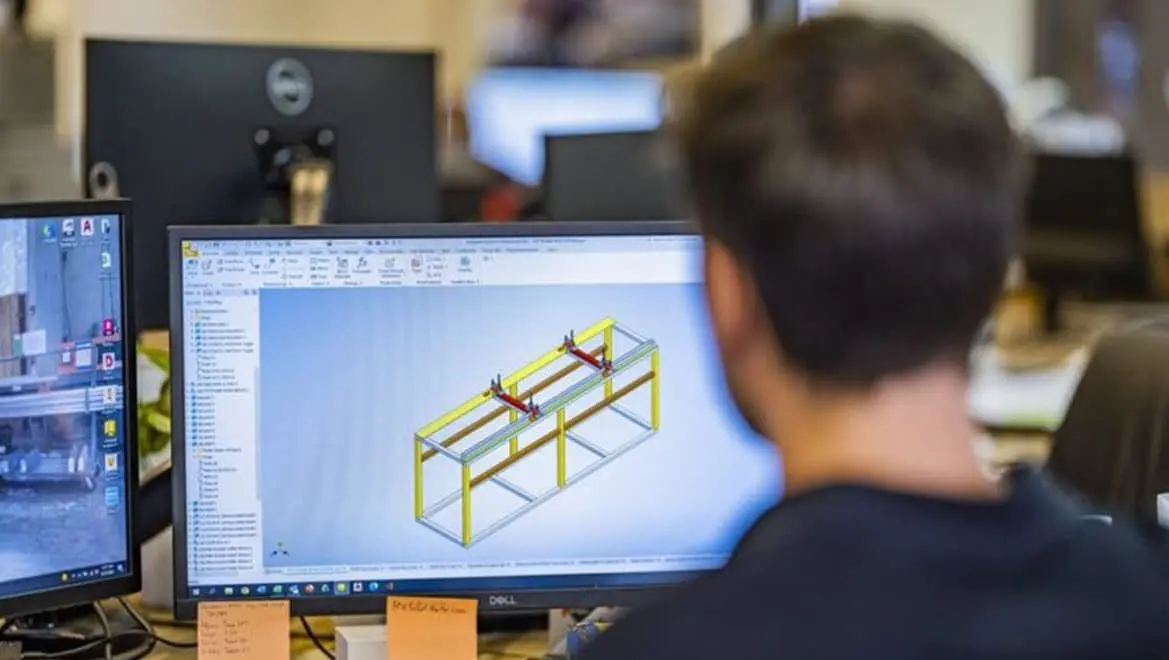
Inventor for DFA and DFMA
Inventor for DFA and DFMA


Modular and off-the-shelf parts
Modular and off-the-shelf parts
Automated assembly
Automated assembly
Design compatibility for automation
Design compatibility for automation
Fasteners and assembly speed
Fasteners and assembly speed
Mistake-proofing (Poka-Yoke)
Mistake-proofing (Poka-Yoke)
Prototyping and software
Prototyping and software
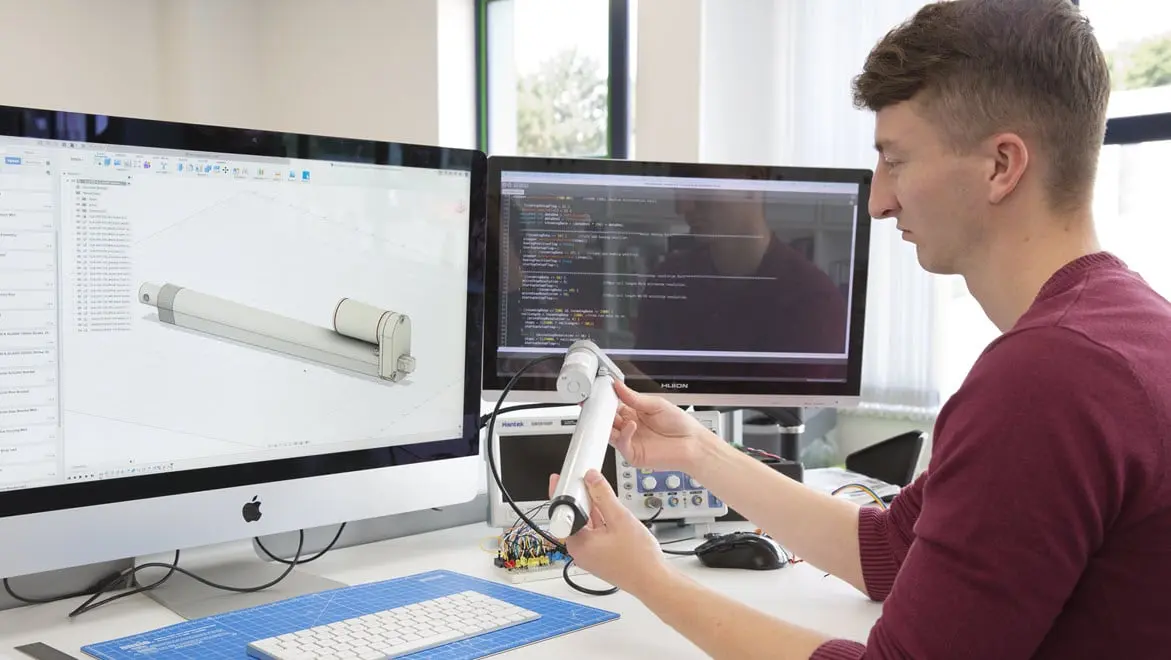
Design for assembly (DFA) vs. design for manufacturing and assembly (DFMA)
Design for assembly (DFA) vs. design for manufacturing and assembly (DFMA)
Planning
Planning
Materials
Materials
Processes
Processes
Standards
Standards
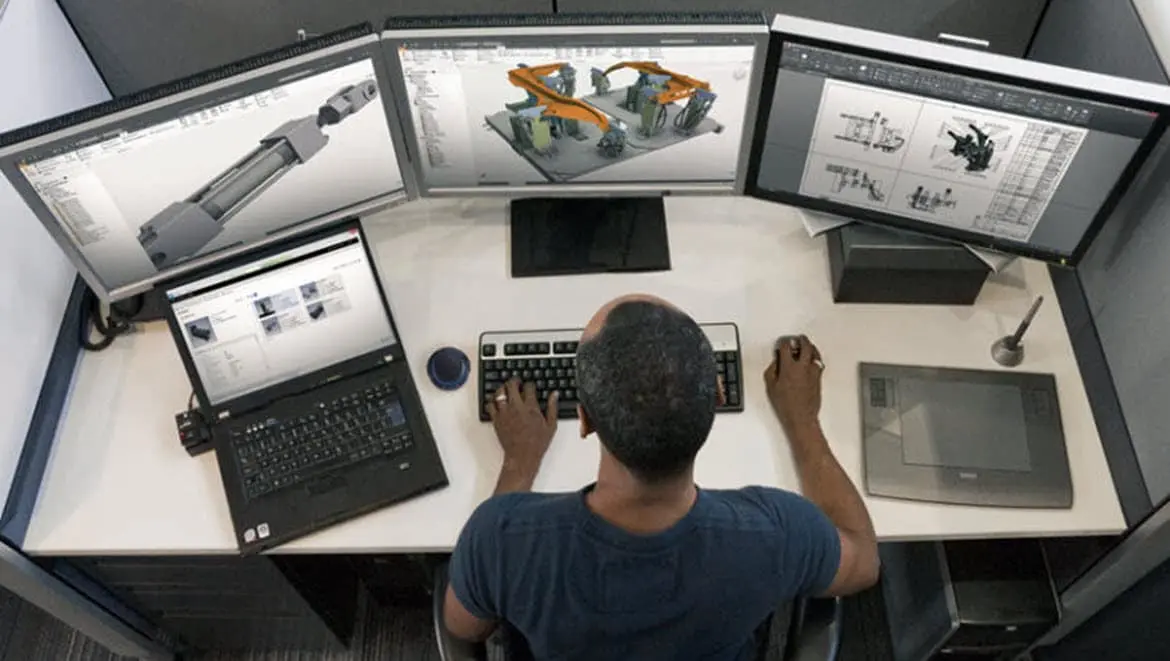
Optimizing material selection in design for manufacturing and assembly (DFMA)
Optimizing material selection in design for manufacturing and assembly (DFMA)
What is the design for assembly concept?
The design for assembly (DFA) concept is to make a product’s assembly simpler, faster, less expensive, and error-free—with the simultaneous goal of reducing waste in materials and labor. Designers accomplish this by minimizing the number of parts needed to assemble and making those parts efficient to assemble.
DFA done well can reduce the cost and time of production, as well as reduce material waste, while resulting in products that are more reliable or easier to repair.
What are the principles of DFA?
The principles of DFA are:
Reducing the number of components and parts
Using off-the-shelf, standard parts
Poka-yoke: make the assembly mistake-proof
Modular designs save assembly time
Symmetrical designs simplify assembly
Don’t make tolerances too tight
Using built-in fasteners like snap fits
Parts are easy to manipulate
Parts are self-aligning or self-locating
What is the difference between DFA and DfMA?
Design for assembly (DFA) and design for manufacture and assembly (DfMA) are closely related methods in the larger design for excellence (DFX) philosophy. DFA focuses on optimizing designs for quick and error-free assembly, generally by striving to make simpler and fewer parts.
DfMA combines DFA and design for manufacturing (DFM), in which the design focuses on materials selection and the ease and efficiency of manufacturing processes. DfMA can deliver more reliable products, reduce time to market, and lower costs by producing simpler—yet just as functional—products that are more efficient to manufacture and assemble.