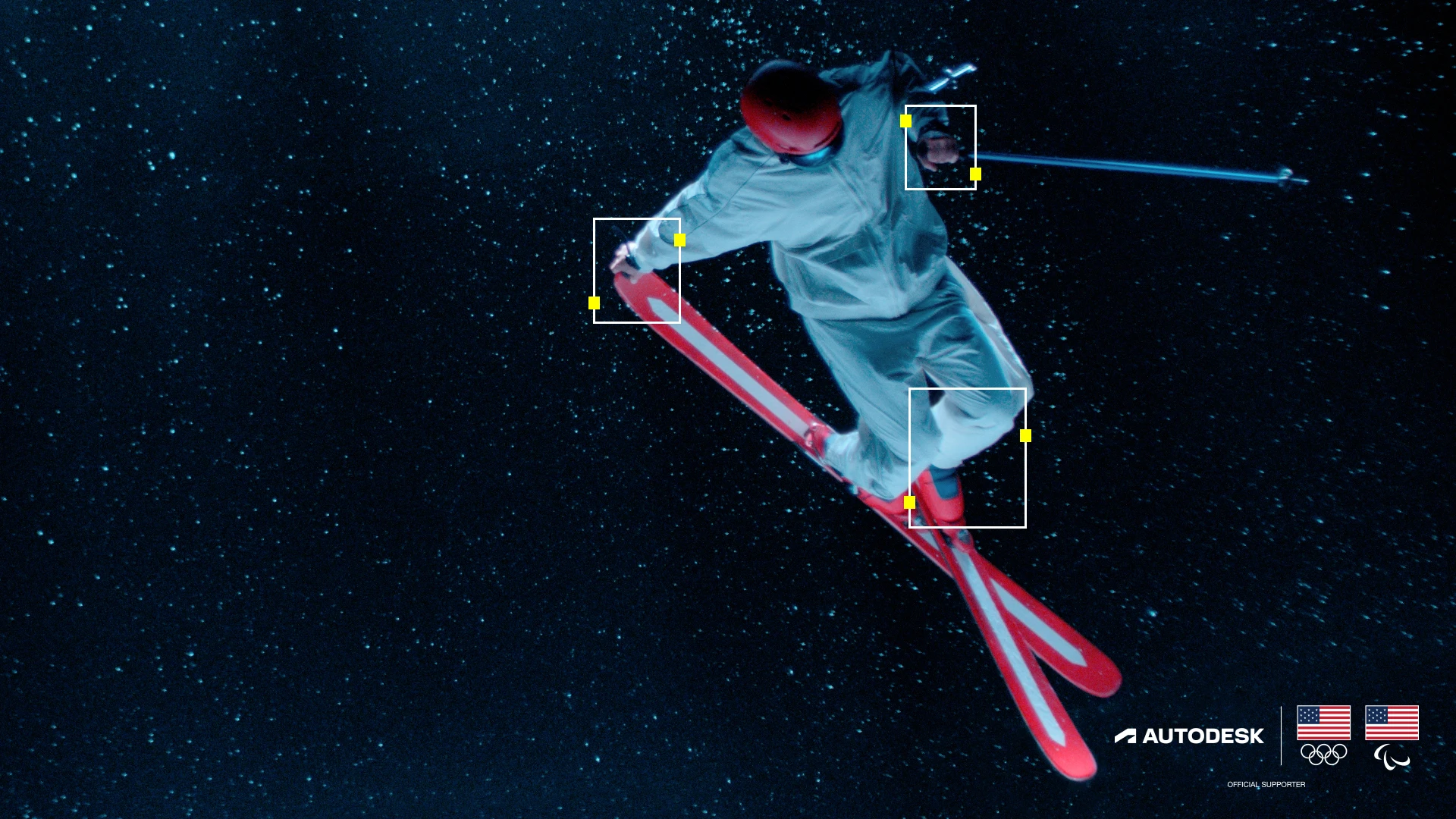
Let there be precision: Erin Jackson’s engineering mindset on the ice
Team USA Speed Skater Erin Jackson prepares for the 2026 Olympic and Paralympic Games in Italy with the discipline of an engineer.

5 min read
U.S. Olympic Medalist in Speed Skating Erin Jackson channels the precision and problem-solving mindset of an engineer to master speed skating’s split-second demands.
Jackson’s journey from materials engineering to Olympic champion shows how curiosity, iteration, and focus can turn vision into achievement.
When Erin Jackson steps onto the ice, the U.S. Olympic speed skater brings more than strength and speed—she brings the mind of an engineer. Every stride, every turn, every movement is a problem to solve, a design to refine, a process to perfect.
In 2022, Jackson made history as the first Black woman to medal in Olympic Speed Skating—and the first to win a Winter Olympic gold medal in an individual sport. Her victory in the women’s 500-meter at the Beijing 2022 Games was a display of power, grace, and precision. But behind that moment was a mindset shaped as much by science as by sport.
Before she became a U.S. Olympic champion, Jackson became an engineer. She attended an engineering magnet high school and graduated from the University of Florida with a degree in materials engineering. While primarily focused on her athletic career now, she plans to pursue a career in biomechanics—using science and engineering to better understand human movement.
That analytical foundation, she says, is one of her greatest strengths. “I'm a long-track speed skater. And the distance I do, the 500 meters, is the shortest one we have,” she says. “So I'm training like a full-time job, almost every day of the week, for a race that lasts 37 seconds.”
Having that analytical engineering mindset, she adds, “really helps me break things down as an athlete and analyze these little differences in my technique.”
From wheels to ice
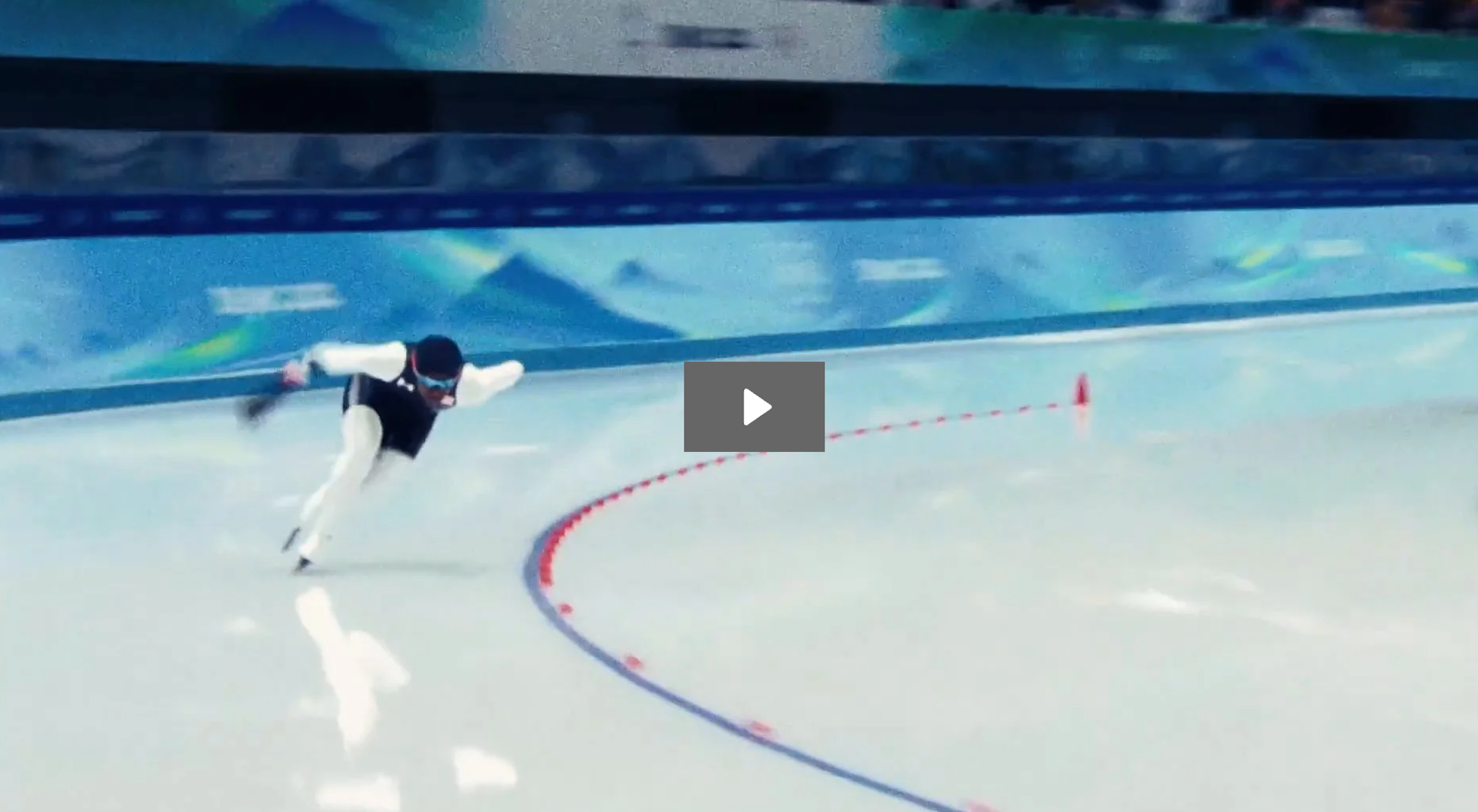
Jackson’s precision and curiosity trace back to her roots in Ocala, FL, where she first discovered her love of speed—on roller skates. “I grew up roller skating,” she says. “I just genuinely enjoy being on skates. And I love going fast. Back when I was just a rink rat, I’d get in trouble for going too fast at the rink. But now I’m in a sport where that’s encouraged.”
As a teenager, she became a world-class inline speed skater, competing internationally and earning medals. Inline skating isn’t an Olympic event, though, so at age 24, she decided to try ice skating for the first time. Within four months, she qualified for the Olympic Winter Games PyeongChang 2018. That leap—from wheels to ice—embodied the same spirit that drives engineers and designers everywhere: the courage to reimagine, to test, to learn.
Engineering the possible
“The sport I do is super technical, super precise,” Jackson says. “It could be something as small as not activating a tiny muscle in your core that throws off the way you skate a corner. You have to be basically perfect because any little misstep can take you out of the running.” In speed skating, podiums can be decided by thousandths of a second.
Jackson learned that lesson in dramatic fashion. At the 2022 U.S. Olympic Trials, she was the world’s top-ranked 500-meter skater—but midway through her heat, she slipped. The mistake cost her a qualifying spot. Then came an extraordinary act of sportsmanship: a US Olympic teammate and fellow Ocala native who had already qualified in other events gave up her 500-meter spot so Jackson could compete in Beijing.
Jackson made the most of the chance. In the Olympic finals, she skated flawlessly, edging out the silver medalist by eight-hundredths of a second to win gold—the first U.S. women’s 500-meter victory since 1994. It was a moment that rippled far beyond the rink.
"When I switched to ice, my mindset wasn’t, ‘Will I make it to the top of this sport?’ It was, ‘How long will it take?"
Dream big, execute small
When Jackson returned to the University of Florida to deliver the 2022 commencement address, her message reflected the mindset that carried her to gold: “Dream big, execute small.”
“You have big goals, like ‘I want to be an Olympic champion,’” she says. “That seems like a really huge, scary thing. But if you break it down into, ‘What do I need to do today to be one step closer to that goal?’—that’s a powerful mindset to have.”
Her engineering background isn’t just a credential—it’s a philosophy. It shapes how she thinks, trains, and learns. Innovation, whether on ice or in the lab, rarely happens all at once. It’s the product of small, deliberate steps—iterations built on imagination, persistence, and problem-solving.
“When I switched to ice, my mindset wasn’t, ‘Will I make it to the top of this sport?’ It was, ‘How long will it take?’” she says. “That’s the mindset my inline skating coach gave us: you can do anything. Anything is possible. You’ve just got to put your mind to it and set your timeline.”
Let there be precision. Let there be positivity. Let there be anything.
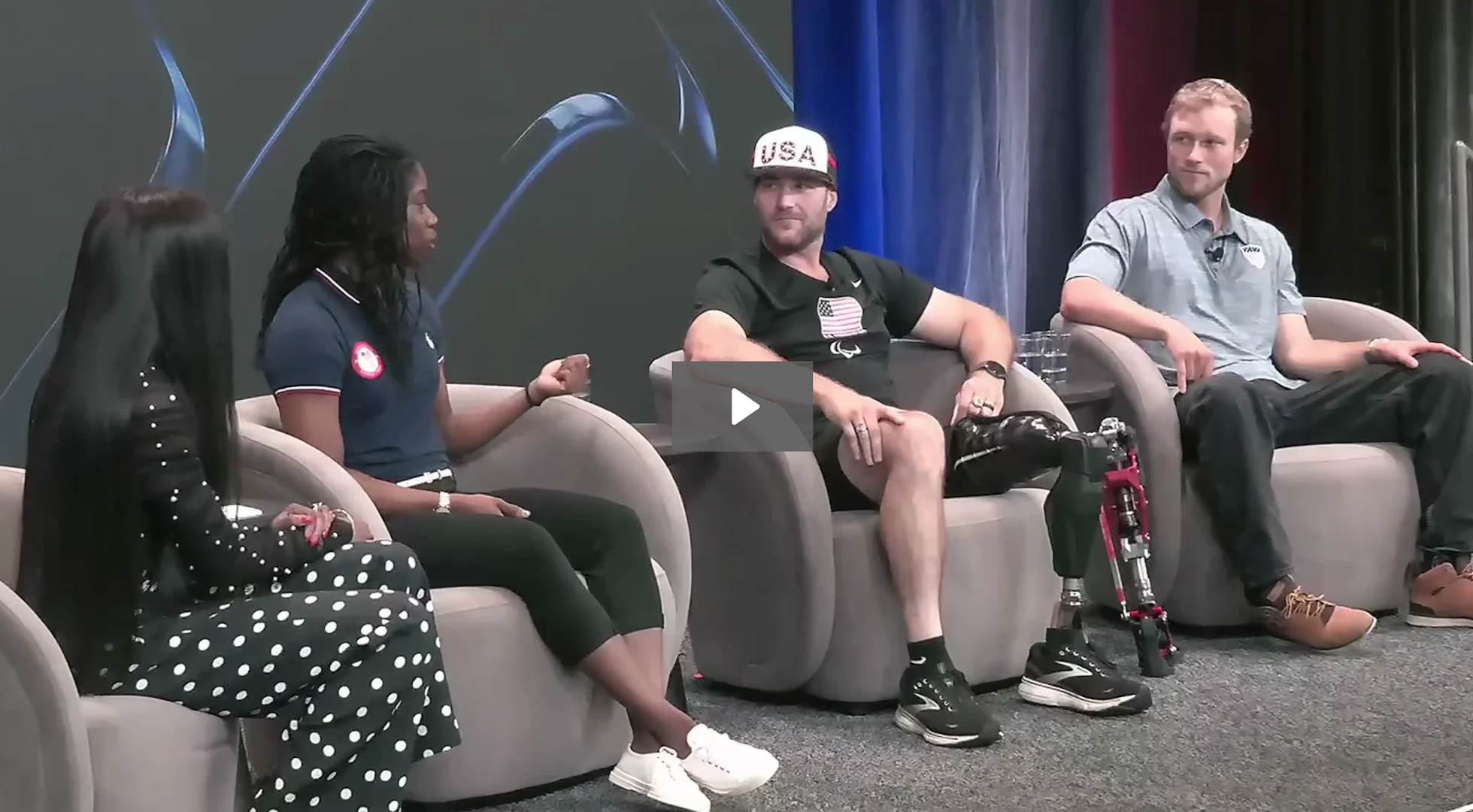
Watch Autodesk CMO Dara Treseader chat with Erin Jackson, Team USA, Speed Skating; Mike Schultz, Team USA, Para Snowboarding; and Colby Stevenson, Team USA, Freestyle Skiing at AU 2025.
Autodesk is the Official Design and Make Platform of the LA28 Olympic & Paralympic Games and Team USA. Learn more.